The Real Difference Between PIM vs. CMS - And Why It Matters for IBM i

PIM vs. CMS: Choosing the Right Tool for Your IBM i Ecosystem
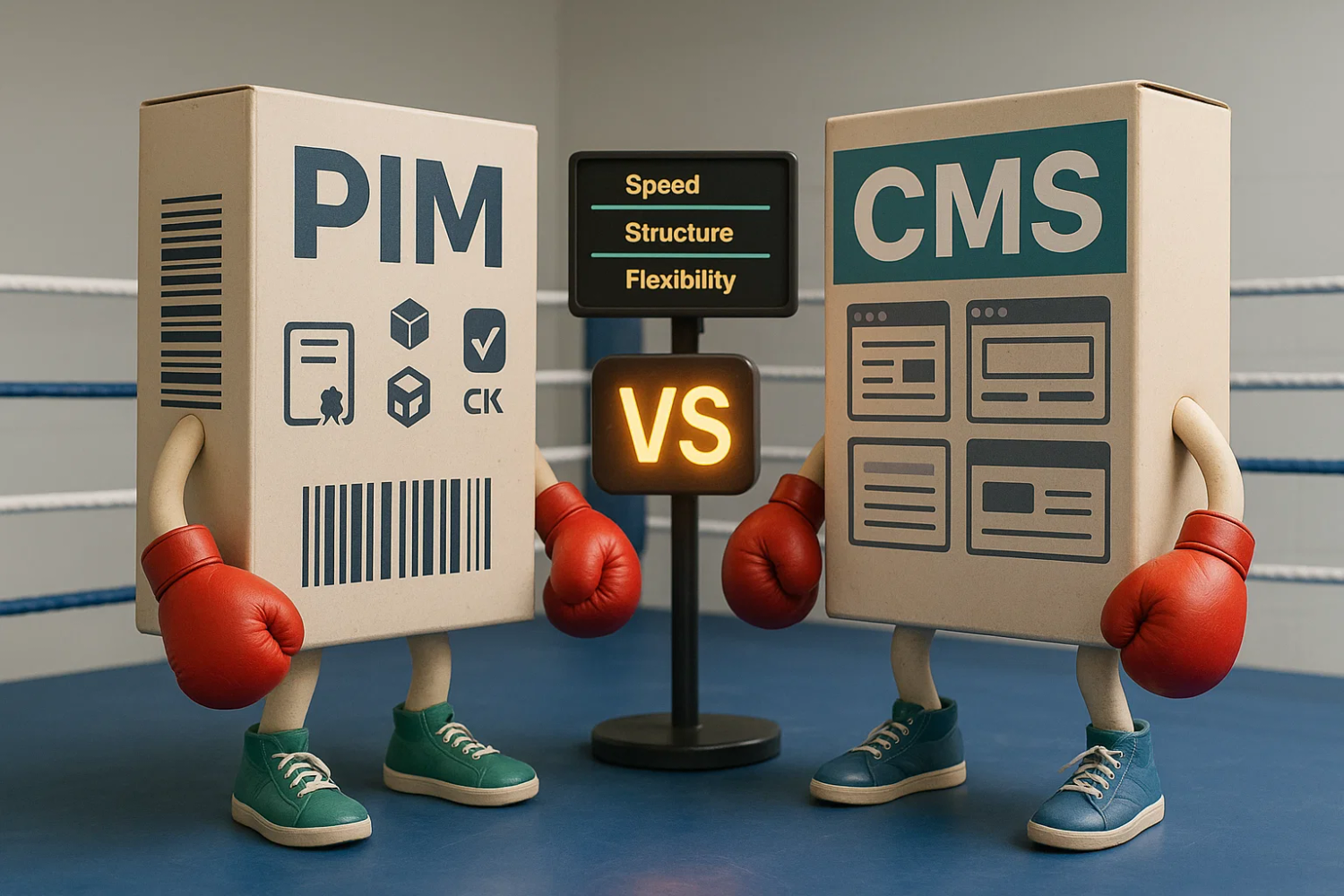
In a modern IBM i environment, clarity in your digital architecture can be the difference between delivering world-class service - or drowning in content chaos. That’s where two acronyms come into play: PIM (Product Information Management) and CMS (Content Management System).
While they may sound similar, these tools solve very different business problems. Knowing which one to use - and when - can drastically reduce operational friction and improve how your teams publish, promote, and sell.
What Is a CMS (and What Is It Not)?
A Content Management System (CMS) is a platform that allows teams to create, edit, and publish web content - without writing code. Pages, banners, blog posts, landing sections - it’s all handled through structured interfaces that empower marketing and communication departments.
"A CMS is where your brand speaks to your audience, not where your business manages product data."
- Sitemule Content Strategy Team
If you're running an IBM i-connected webshop or reseller portal, your CMS is the tool that lets non-technical staff update promotions, publish service announcements, or create campaign pages - without waiting on IT.
What Is a PIM, and Why Do You Need It?
A Product Information Management (PIM) system centralizes, cleans, and enriches your product data across multiple channels - your webshop, ERP, print catalogs, or mobile apps.
Think of it as the source of truth for SKUs: names, descriptions, translations, certifications, technical specs, and media assets.
For companies with hundreds (or thousands) of SKUs across languages and partners, PIM becomes essential. It enables efficient product launches, consistent data for resellers, and faster updates across all platforms. According to Cloudflight, companies using PIM report 30 - 50% faster time-to-market and up to 80% fewer product data errors.
When Do You Need Both?
Many IBM i-based companies make the mistake of trying to manage all content - including product info - inside a CMS. This leads to version conflicts, scattered assets, and duplicated updates across languages and channels.
By separating the two:
-
The PIM handles structured product data and media.
-
The CMS manages brand messaging and content delivery.
Together, they create a dynamic, scalable content architecture where product accuracy and marketing agility can coexist.
Real-World Example: Sitemule Hub
Within Sitemule Hub, the PIM module serves as the master repository for product data, while the CMS module powers content creation for reseller portals or webshops. Each tool operates independently but integrates seamlessly for businesses that need both precision and flexibility.
This lets marketing teams run faster - and IT keep systems secure and consistent.
Epilogue: Clarity First, Then Tools
Before you invest in PIM, CMS, or both, ask yourself:
“Do we struggle more with publishing content or controlling product data?”
Start with the tool that solves your most immediate business need, and ensure it integrates with your IBM i infrastructure. Once clarity is in place, scale from there.
Blog


Studies

Modules

The Companies We Help
We provide solutions and services that support both standard and tailor-made systems for companies worldwide, serving a wide range of industries such as banking, finance, insurance, manufacturing, retail, logistics, and beyond. Let us help you - get in touch today!